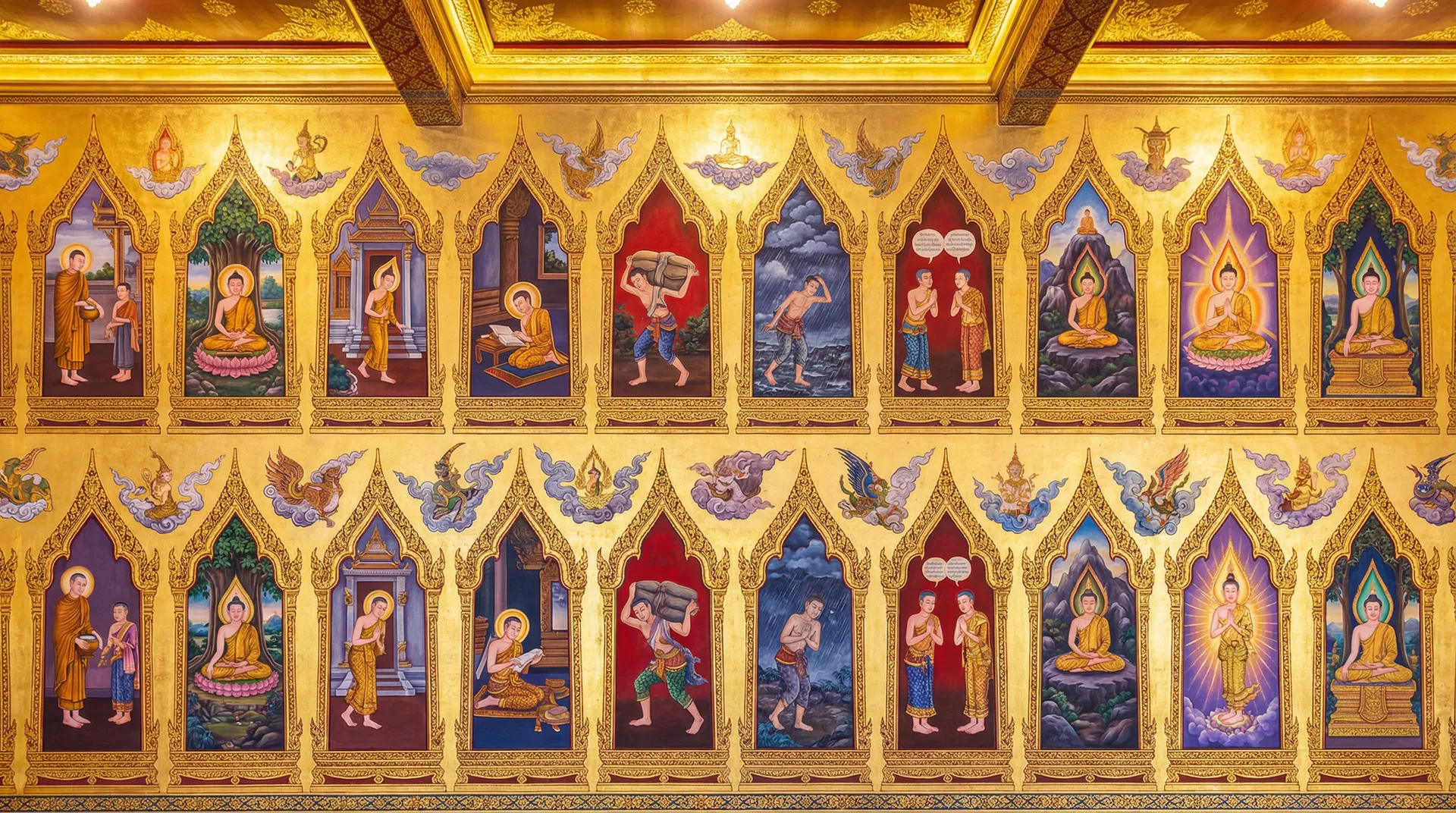
Sasa Jātaka
Sasa Jātaka
In a time long past, when the world was a wilder and more wondrous place, there lived a magnificent hare. This was no ordinary hare; its fur shimmered like moonlight, and its eyes sparkled like ancient stars. It was a Bodhisattva, an enlightened being in the making, who had taken the form of a hare to practice supreme compassion.
The Bodhisattva hare lived in a forest teeming with life, a haven of peace and harmony. He shared his dwelling with three friends: a jackal, a turtle, and an otter. They lived in perfect amity, their days filled with shared laughter and mutual respect, each respecting the other's unique nature. The hare, with his gentle wisdom, often reminded his friends of the importance of kindness and generosity.
One day, as the Bodhisattva hare was meditating under the shade of a banyan tree, he heard the earth tremble. A celestial being, the god Sakka, disguised as a starving Brahmin, descended from the heavens. He had come to test the virtue of beings, to see if true generosity still existed in the world.
The disguised Brahmin approached the four friends, his voice weak and trembling. 'Oh, noble creatures,' he crooned, his eyes wide with feigned hunger, 'I have traveled far and wide, and I am famished. I have eaten nothing for days. Can any of you spare some food for a starving man?'
The otter, ever eager to please, spoke first. 'I have caught a fresh fish from the river,' he said, offering it to the Brahmin. 'Please, take it and nourish yourself.' The Brahmin accepted the fish, thanked the otter, and then turned to the jackal.
'And what can you offer, good jackal?' he asked. The jackal, a creature of cunning, had hidden a small morsel of food from his last meal. 'I have this small piece,' he said, presenting it. 'It is all I have saved. Please accept it.' The Brahmin took the morsel and thanked the jackal.
Finally, the Brahmin turned to the Bodhisattva hare. 'And you, noble hare,' he said, his voice filled with a hint of desperation, 'what can you offer a starving man like me?'
The Bodhisattva hare looked at the disguised god with eyes full of compassion. He knew that food was a temporary sustenance, but the act of giving, the sacrifice of oneself for another, was an eternal virtue. He looked at his own body, a vessel of flesh and bone, and saw it as a means to demonstrate the highest form of generosity.
'O venerable Brahmin,' the hare said, his voice calm and clear, 'I have no fish to offer, nor any stored morsels. But I have my own body. I will give you my flesh, so that you may be nourished.'
The disguised Brahmin was astonished. 'But how can you give your flesh, noble hare?' he asked, feigning disbelief.
'Observe,' the Bodhisattva hare replied. He hopped towards a blazing fire that the Brahmin had, in his guise, conveniently started nearby. 'I will leap into this fire, and my body will be roasted. You can then eat my flesh.'
With these words, the Bodhisattva hare gathered his strength and leaped into the heart of the flames. His body was instantly consumed by the fire, and the divine Brahmin, shedding his disguise, revealed himself as the god Sakka.
Sakka, filled with awe and profound respect for the hare's unparalleled act of selfless sacrifice, gathered the hare's bones. He then ascended to the heavens and etched the image of the hare into the disc of the moon, so that all beings would forever see the luminous mark and remember the Bodhisattva's boundless compassion and ultimate generosity.
The otter, the jackal, and the turtle, witnessing this extraordinary event, were deeply moved. They understood the true meaning of sacrifice, a lesson that would stay with them forever. They continued to live in the forest, their lives forever changed by the memory of their noble friend.
And so, the image of the hare on the moon serves as a constant reminder to all of humanity that the greatest gift one can give is oneself, a testament to the profound depths of compassion and the enduring power of selfless giving. The Bodhisattva hare, through his ultimate sacrifice, demonstrated that true enlightenment is found not in hoarding, but in giving, not in self-preservation, but in self-offering.
— In-Article Ad —
💡Moral of the Story
The highest form of generosity is the willingness to sacrifice oneself for the sake of others. True compassion lies in understanding the suffering of others and acting to alleviate it, even at great personal cost.
Perfection: Generosity (Dana), Compassion (Karuna), Sacrifice (Tyaga)
— Ad Space (728x90) —
More Jataka Tales You May Enjoy
 218Dukanipāta
Masa Jataka
Masa JatakaIn a serene monastery nestled amidst rolling hills, lived a devout monk named Bodhisattva...
💡 Attachment to desires and possessions leads to suffering. True contentment comes from inner peace and detachment, not from external things.
191DukanipātaKaccapajataka
Kaccapajataka In the ancient kingdom of Mithila, where palaces shimmered like lotus blossoms and riv...
💡 True wealth lies not in what we possess, but in our ability to be content with what we have. Greed is a bottomless pit that can never be filled.
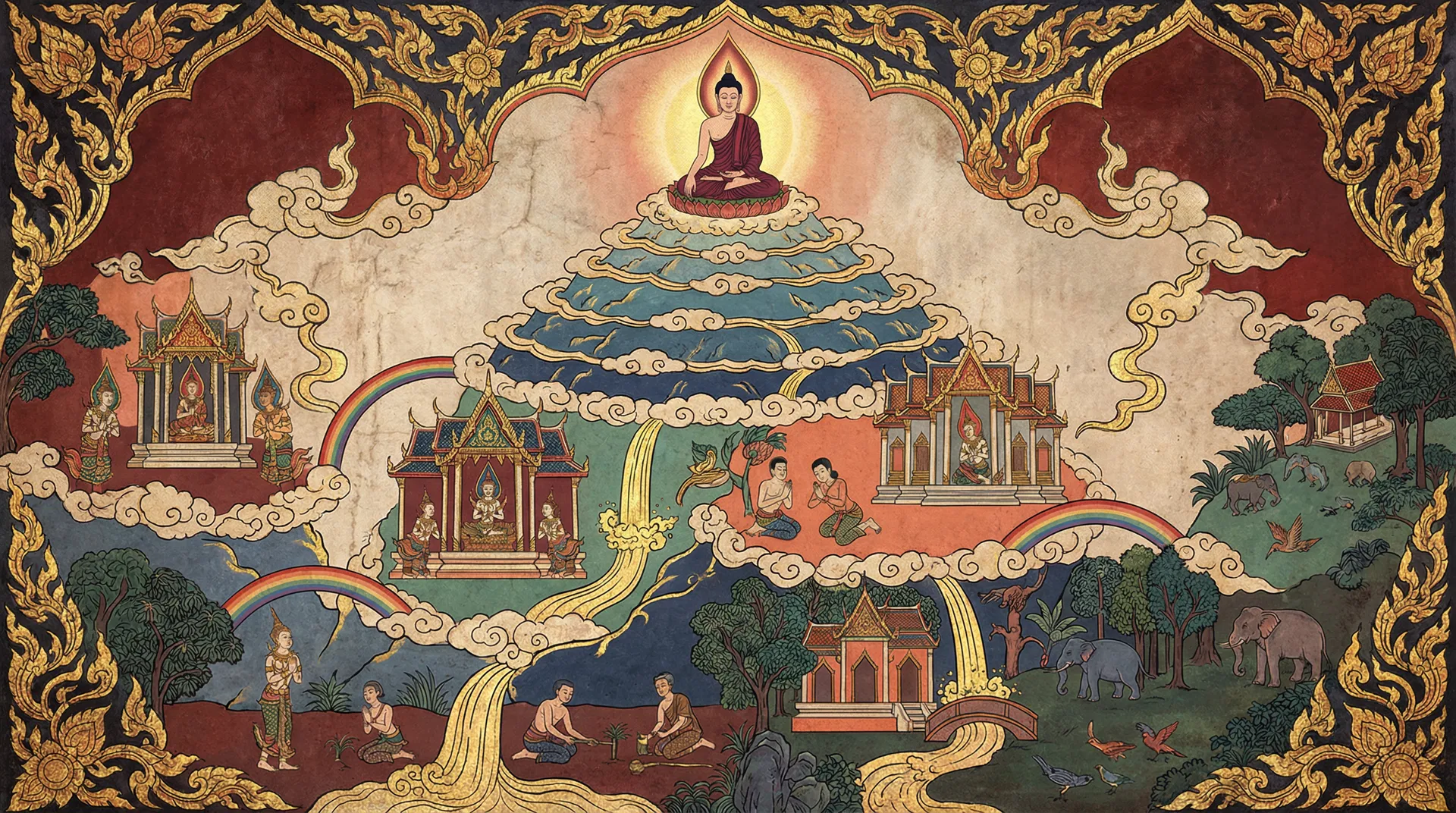 493Pakiṇṇakanipāta
The Wisdom of the Humble Bee
The Wisdom of the Humble Bee In a sun-drenched meadow, where wildflowers danced in the breeze and th...
💡 True strength lies not only in power and aggression, but in wisdom, observation, careful planning, and collective unity. Even the smallest among us can possess great insight.
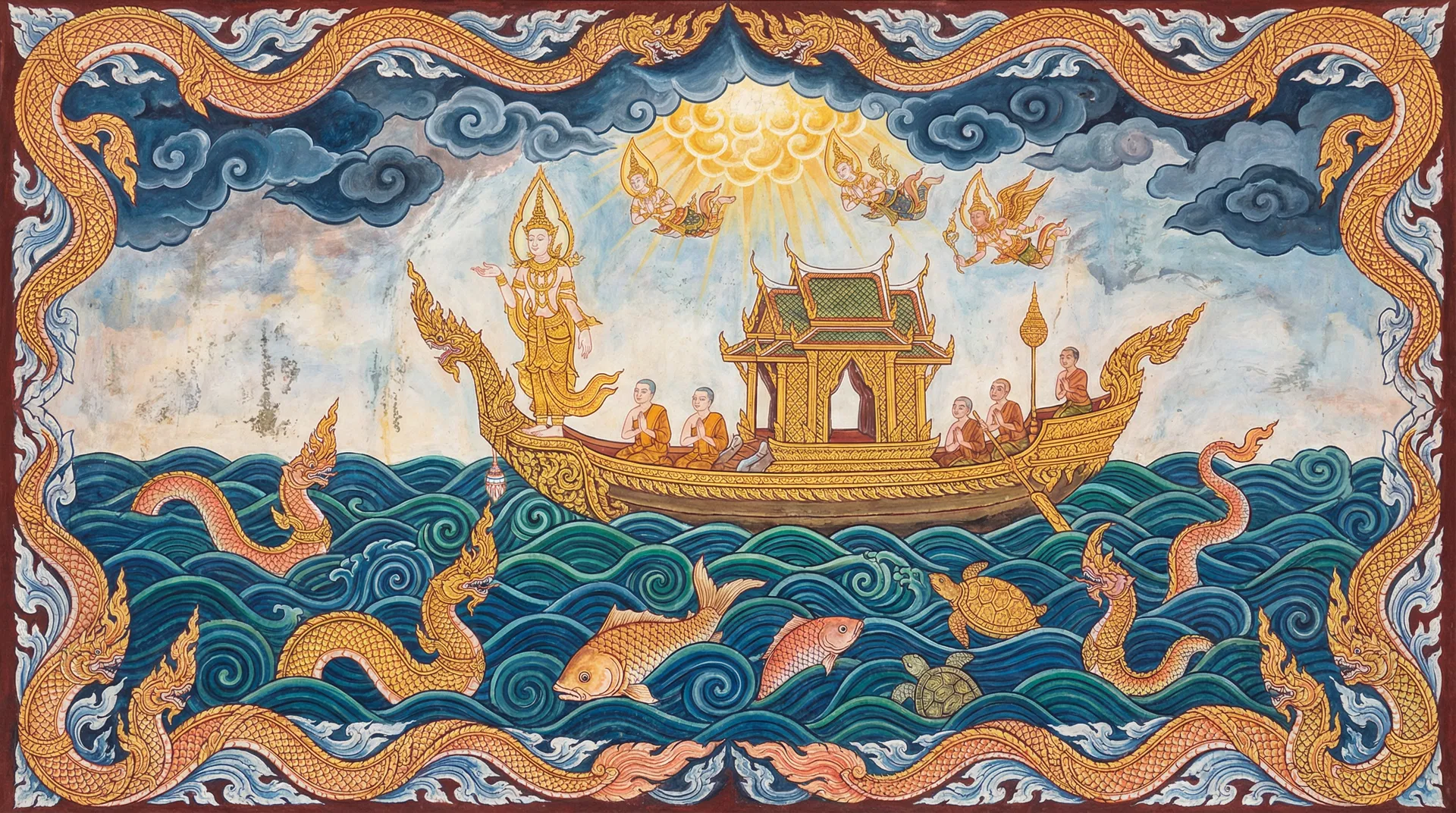 483Terasanipāta
Somanassa Jātaka
The Tale of the King of the Gods and the Benevolent King In the celestial realm of Tavatimsa, ruled ...
💡 Boundless compassion and selflessness, even in the face of extreme adversity, are the hallmarks of true virtue and leadership.
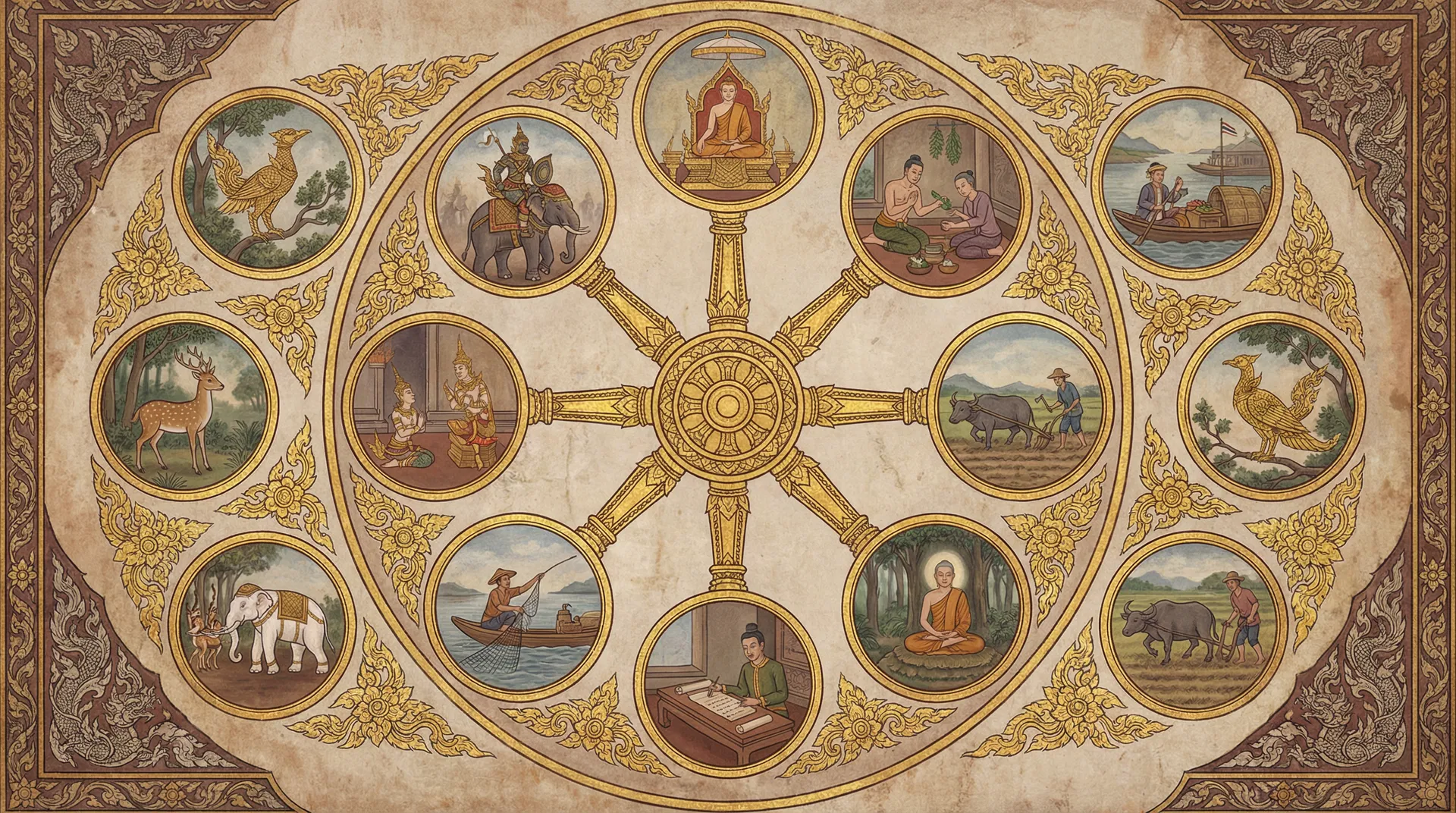 450Dasakanipāta
Mulasira Jataka
Mulasira Jataka In the ancient city of Indapatta, there lived a king named Mulapariya. He was a bene...
💡 Uncontrolled anger and baseless suspicion are destructive forces that blind us to the truth and lead to injustice. Cultivating patience, seeking understanding, and maintaining a calm mind are essential for wise judgment and harmonious relationships.
 382Chakkanipāta
Sutasoma Jātaka
Sutasoma Jātaka Long ago, in the vibrant city of Indapatta, ruled a king named Piliya, a monarch who...
💡 True victory is achieved not through violence and conquest, but through wisdom, compassion, and the ability to show mercy.
— Multiplex Ad —